What Is the Difference Between Asphalt and Bitumen?
If you’ve ever looked at a road surface or an asphalt driveway and wondered what it’s actually made of, you’re not alone. Many people use the terms “asphalt” and “bitumen” interchangeably, but they’re not quite the same thing. Understanding the difference matters, especially if you’re planning driveway materials or a paving project for your home or business.
What Is Bitumen?
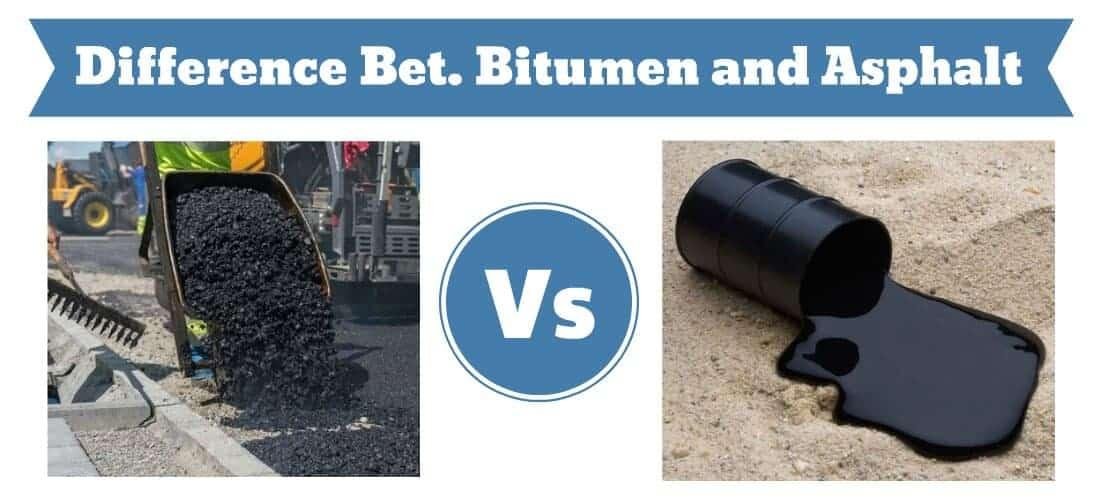
Bitumen is a thick, black, sticky substance that comes from crude oil. It is produced during the oil refining process, where lighter fuels like petrol and diesel are separated from the heavier residue. What’s left behind is bitumen, a highly viscous liquid binder used widely as a construction material.
Because bitumen is waterproof and adhesive, it plays a crucial role in holding other materials together. On its own, though, bitumen isn’t strong enough to handle the weight of traffic. That’s why it is almost always combined with other materials before being laid down.
What Is Bitumen Made Of?
Bitumen is made up of hydrocarbon long, heavy molecules left over at the bottom of the barrel after crude oil is refined. Its main components are:
- Asphaltenes — give bitumen its hardness and black color
- Resins — provide adhesive strength and flexibility
- Aromatic oils — act as a natural solvent for the asphaltenes
- Saturates — lightweight oils that keep the mixture workable
The balance of these four components decides how hard, soft, or flexible a particular grade of bitumen will be.
What Is Bitumen Used For?
The applications of bitumen are wide-ranging. It is most commonly associated with roadwork, but it also has many other industrial uses. Here are some of its main applications:
- Sealing and waterproofing roofs
- Binding aggregates for road surface construction
- Creating a bitumen sealed surface for rural roads, car parks, and driveways
- Producing roofing felt and damp-proof membranes
- Industrial coatings and pipe protection
When bitumen is used for resurfacing an area, it is sprayed onto the ground and then covered with stone chips. This creates a bitumen sealed surface that is cost effective and durable, often chosen for country roads, farm tracks, and large car parks where a polished finish isn’t essential.
What Is Asphalt?
Asphalt is a mixture of bitumen and aggregates such as sand, gravel, and crushed stone. In this mixture of bitumen and aggregate, bitumen acts as the glue that holds everything together. The result is a solid, smooth, and durable surface that can handle heavy loads and constant traffic.
An asphalt surface is the finished product you walk or drive on. When you see a newly paved asphalt road or asphalt driveway, what you’re really looking at is a carefully engineered blend of aggregate, bitumen, and sand, compacted into layers of bitumen-bound material.
What Is Asphalt Made Of?
A typical asphalt mix contains:
- Aggregates (around 90–95%) crushed stone, gravel, and sand that form the structural body
- Bitumen (around 5–10%) the liquid binder that coats and locks the aggregates together
- Filler materials fine dust like limestone powder that fills small gaps
- Additives (optional) such as polymers, fibers, or anti-stripping agents for extra strength
Modern asphalt mixes often include polymer modified bitumen, which improves flexibility and resistance to cracking in extreme temperatures. This is especially valuable in regions with harsh winters or very hot summers.
Asphalt vs Bitumen: The Key Differences
Now that we’ve defined both, let’s break down the asphalt and bitumen difference clearly:
Composition: Bitumen is a single substance from crude oil refining. Asphalt is a composite that combines bitumen with aggregates.
Role: Bitumen is the binding agent. Asphalt is the actual paving material.
Appearance: Bitumen looks like thick black tar. Asphalt looks like a gray or black solid surface with a slightly textured finish.
Use: Bitumen alone is used for sealing and waterproofing. Asphalt is used for paving roads, driveways, and parking lots.
Surface feel: An asphalt surface is smooth and uniform. A bitumen sealed surface is rougher because the stone chips remain visible.
When someone asks about asphalt vs bitumen, they’re really comparing a finished product to one of its ingredients a bit like comparing a cake to flour.
Pricing Comparison: Asphalt vs Bitumen
Exact prices vary by region, material availability, and project size, but here’s a general percentage-based comparison to help you plan your budget:
- A bitumen sealed surface is usually the most affordable option roughly 30% to 50% cheaper than a full asphalt surface of the same area.
- A standard asphalt driveway typically costs 40% to 70% more than bitumen sealing, but offers a smoother finish and longer lifespan.
- Polymer modified asphalt adds another 20% to 30% on top of standard asphalt pricing, in exchange for better durability and skid resistance.
- For large car parks and long rural roads, bitumen sealing can reduce total project cost by up to 40% compared to asphalt paving.
In short: bitumen sealed surfaces win on upfront cost, while asphalt wins on finish quality, durability, and long-term value.
Which One Is Right for Your Project?
If you want a smooth, professional finish for your home, an asphalt driveway is usually the better option. It offers a clean look, a skid resistant surface, and excellent durability for heavily used areas.
If you’re working on a longer stretch such as a rural access road, a farm track, or a large parking area a bitumen sealed surface may be more cost effective. It uses less material and is quicker to lay, though the finish is less polished.
For busy highways and commercial roads, engineers often specify a polymer modified mixture of bitumen and aggregates. This creates tough, skid resistant layers of bitumen that can withstand heavy trucks, braking forces, and seasonal weather changes.
Why the Confusion Between the Two?
The terms get mixed up because of regional language. In some countries, people call the final paving material “asphalt,” while in others they simply call it “bitumen” or “tarmac.” The underlying science is the same: bitumen is the binder, and asphalt is the composite road surface it helps create.
Contractors may also advertise “bitumen driveways” when they really mean asphalt driveways, or vice versa. Always ask what the actual mix contains before signing off on a quote.
Final Thoughts
Understanding the difference between asphalt and bitumen helps you make smarter decisions for your paving or construction project. Bitumen is the sticky glue that holds everything together, while asphalt is the finished, drivable surface you see every day.
Whether you’re planning an asphalt driveway, thinking about resurfacing an area, or simply curious about the roads you travel on, knowing how these materials work gives you a clearer picture of the construction choices around you. Both play essential roles in modern infrastructure and together, they keep our roads, driveways, and car parks safe, smooth, and long-lasting.