How Much Does an Asphalt Driveway Cost in Australia? (2026 Complete Guide)
If you’ve been searching for asphalt driveway prices in Australia, you’ve probably noticed one thing straight away: the numbers vary wildly. Some websites quote $25 per square metre. Others say $150. And you’re left wondering what your driveway is actually going to cost.
This guide cuts through that confusion. We’re New Look Asphalts, a Sydney-based asphalt contractor operating across NSW, and we’re going to give you real 2026 pricing not inflated estimates designed to get a click, and not suspiciously low numbers designed to lure you in.
Asphalt Driveway Cost in Australia
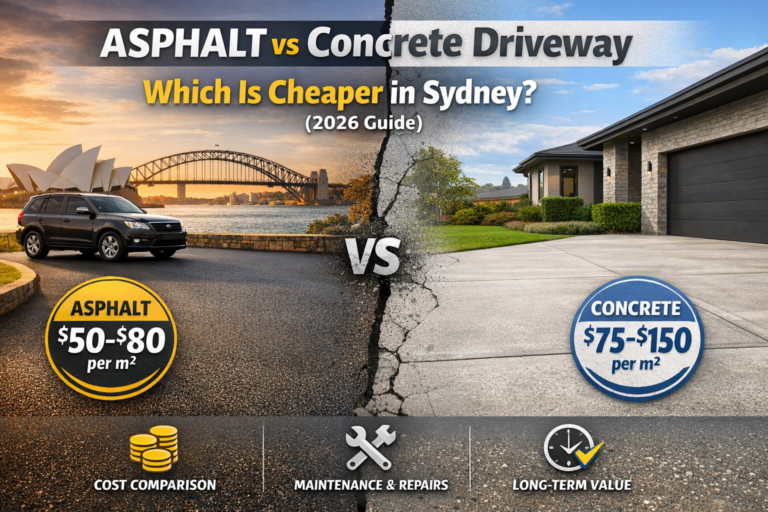
For most Australian homeowners, a professionally installed asphalt driveway costs between $50 and $80 per square metre in 2026. In Sydney specifically, where labour rates and material transport are higher than in regional areas, expect to sit in the $50–$80/m² range for a standard residential installation.
Here’s what that looks like in dollar terms for common driveway sizes:
| Driveway Size | Area (m²) | Estimated Cost (Sydney) | Suitable For |
| Small Single-Car Driveway | 20–40 m² | $1,800 – $4,500 | Narrow suburban block |
| Standard Single-Car Driveway | 40–60 m² | $3,500 – $6,500 | Most residential homes |
| Double-Car Driveway | 60–100 m² | $5,500 – $10,000 | Large family homes |
| Large Driveway / Hardstand | 100–200 m² | $9,000 – $18,000 | Properties with turning areas |
| Commercial / Long Rural Driveway | 200 m²+ | $14,000 – $30,000+ | Acreage, commercial sites |
What’s Included in the Price?
When you receive a quote for an asphalt driveway in Sydney, the price covers several components. Understanding what you’re paying for helps you compare quotes properly and avoid being surprised by add-on.
| Cost Component | % of Total Cost | What It Covers |
| Asphalt Materials | 40–50% | Hot mix asphalt, bitumen binder, aggregate — priced by tonne from the plant |
| Labour | 35–45% | Crew wages, machinery operation, site supervision, cleanup |
| Equipment & Machinery | 10–15% | Pavers, rollers, trucks — mobilization costs regardless of job size |
| Base Preparation | Varies | Excavation, sub-base compaction, grading — biggest variable in your quote |
| Tip Fees & Disposal | Varies | Removal of existing surface material (old asphalt, concrete, rubble) |
| Drainage Work | If required | $80–$150/m for channels; $750–$1,500 per soakwell if needed |
| Council Permits | If required | $200–$500 for crossover or new driveway applications in NSW |
Factors That Affect Your Asphalt Driveway Cost in Sydney
Two driveways with the same square meter age can have very different prices. Here are the seven factors that move your quote up or down the most.
Driveway Size and Project Scale
Asphalt is one of the few driveway materials that gets cheaper per square metre as your project gets larger. Why? Because equipment mobilization, plant setup, and truck delivery costs are the same whether you’re laying 30m² or 300m². Spread those fixed costs across a larger area and your per-m² rate drops significantly.
This is why very small driveways under 30m² are sometimes quoted higher per m² than you’d expect the minimum cost of moving machinery and making an asphalt batch still applies, regardless of job size.
Condition of the Existing Surface
What’s already on your driveway matters enormously. If you have an existing asphalt surface in reasonable condition, we may be able to overlay it with a new layer saving significant cost by skipping full excavation. If you have concrete, brick pavers, or badly deteriorated asphalt that needs full removal, add $20–$35 per m² to your baseline for demolition and tip fees.
Base Preparation and Subgrade Condition
This is the single biggest variable in any asphalt quote, and it’s the one most homeowners underestimate. The base underneath your asphalt not the asphalt itself determines how long your driveway lasts. Poor soil that needs stabilization, soft spots that require additional gravel, or sites with inadequate drainage can significantly increase preparation costs.
At New Look Asphalts, we assess your sub-grade before pricing anything. We’d rather tell you the truth upfront than give you a low quote and hit you with extras once we’ve started digging.
Asphalt Thickness
Residential driveways for standard passenger vehicles typically require 40–50mm of compacted asphalt. If your driveway needs to handle heavy vehicles trucks, caravans, boat trailers, or commercial traffic the required thickness increases to 60–75mm, which directly increases material costs. Thicker is more expensive upfront, but significantly extends your driveway’s lifespan and load tolerance.
Site Access and Complexity
Narrow access points, tight corners, sloped driveways, or sites with restricted truck movement increase labour time and may require smaller or specialized machinery. A steep driveway in a Sydney suburb with street parking constraints will cost more to lay than a flat, open driveway on a wide block in Western Sydney. Complex shapes, curves, and multiple levels all add to the labour component of your quote.
Type of Asphalt Mix
Hot mix asphalt is the standard for residential driveways in Sydney and the most commonly used material for good reason it’s durable, compacts well, and performs in Australian heat. Premium hot mix asphalt (7mm or 10mm stone) is what reputable contractors use for residential hand-laid work. Recycled asphalt (RAP) is cheaper but is better suited to large road projects with paving machines, not residential driveways where hand finishing and edge quality matter.
Location Within Sydney and NSW
Your suburb affects your price in two ways: proximity to asphalt plants and local labour rates. Inner Sydney and Eastern Suburbs properties tend to attract a slight premium due to traffic access challenges and parking restrictions during the job. Areas in the Hills District, Western Sydney, and Norwest where New Look Asphalts is based tend to be more competitively priced due to proximity to plants and easier site access.
Asphalt Driveway Cost Per m² by State
To put Sydney prices in context, here’s how NSW compares to other Australian states for standard residential asphalt driveway installation in 2026:
| State / Region | Cost Per m² (2026) | Typical Full Project | Key Cost Driver |
| Sydney, NSW | $50 – $80/m² | $5,000 – $20,000 | Labour + access |
| Regional NSW | $45 – $70/m² | $4,000 – $15,000 | Transport from plant |
| Melbourne, VIC | $45 – $75/m² | $3,500 – $18,000 | Labour rates |
| Brisbane, QLD | $40 – $65/m² | $3,200 – $15,000 | Competitive market |
| Perth, WA | $45 – $70/m² | $4,000 – $16,000 | Material cost |
| Adelaide, SA | $40 – $65/m² | $3,000 – $14,000 | Labour rates |
| Remote/Rural (All States) | $60 – $120/m² | $6,000 – $25,000+ | Transport premium |
Asphalt vs Concrete vs Pavers: Which Is Cheapest for Sydney Driveways?
One of the most common questions Sydney homeowners ask is whether asphalt or concrete is the better investment. Here’s an honest comparison based on real Sydney market pricing:
| Factor | Asphalt | Concrete | Brick Pavers | Gravel/Aggregate |
| Cost Per m² (Sydney) | $50–$80 | $75–$130 | $80–$150 | $20–$45 |
| Installation Time | 1–2 days | 3–7 days | 3–5 days | 1 day |
| Ready to Use | 24–72 hours | 5–7 days | 24 hours | Immediately |
| Lifespan (maintained) | 20–30 years | 25–40 years | 20–30 years | Ongoing top-up |
| Repair Cost | Low | High | Medium | Very Low |
| Performance in Sydney Heat | Excellent | Cracks over time | Good | Unstable |
| Maintenance Required | Seal every 3–5 yrs | Minimal | Re-sanding | Regular top-up |
| Long-Term Value | Excellent | Good | Good | Poor |
Asphalt is the best value driveway material for most Sydney properties. It costs significantly less than concrete, installs faster, can be used within 24–72 hours, and is far easier and cheaper to repair when damage occurs. In Sydney’s climate with extreme summer heat that expands and contracts rigid materials asphalt’s flexibility is a genuine performance advantage, not just a marketing point.
Hidden Costs to Watch Out For
Some contractors quote low to win the job and then add costs once work begins. These are the most common ‘extras’ you should ask about upfront before signing anything.
Old Surface Removal & Disposal
If you have existing concrete, old asphalt, or pavers that need breaking up and removing, expect to add $20–$35/m² for demolition plus tip fees. Always ask if removal is included in the quote.
Drainage Works
If your site has drainage issues or water pooling, your contractor may recommend drainage channels ($80–$150 per linear metre) or soakwells ($750–$1,500 each). Good drainage is essential skipping it costs you far more in surface damage later.
Council Permits (NSW)
In New South Wales, any new driveway or crossover that connects to a council-controlled road typically requires a driveway permit. Application fees range from $200–$500 depending on your local council. Some contractors handle this for you; others leave it to the homeowner.
Tree Root Barriers
If large trees are near your driveway, their roots can push through the base layer within years. Root barriers ($200–$500) prevent this and extend your driveway’s life significantly.
Edge Restraints and Kerbing
For driveways without a defined border meeting lawn or garden beds edge restraints prevent the asphalt from spreading and crumbling at the sides. Ask if this is included in your quote or priced separately.
Line Marking
For commercial car parks or driveways with designated spaces, line marking adds $3–$8 per linear metre but is required for compliance in many commercial settings.
How to Get the Best Price on Your Sydney Asphalt Driveway
Getting a competitive price doesn’t mean going with the cheapest quote it means getting the best value for money. Here’s how to approach the process:
1. Get at least three quotes from local Sydney contractors not national lead-gen platforms that clip the ticket and outsource to whoever answers first.
2. Make sure every quote covers the same scope. Compare base preparation, removal of existing material, drainage, and edge finishing not just the asphalt lay.
3. Ask every contractor to assess your site in person before pricing. A contractor who quotes without visiting cannot give you an accurate price.
4. Ask specifically what asphalt mix is being used. Premium hot mix (7mm or 10mm stone) is what you want for a residential driveway. A dramatically low quote often means a lower-grade mix or thinner installation.
5. Ask about base preparation in detail. How much material will they remove? What compaction standard will they achieve? This is where most cheap driveways fail within five years.
6. Check if the contractor is local to Sydney and familiar with your council’s requirements. A contractor who works regularly in your suburb understands access conditions, soil types, and permit processes.
7. Don’t pay a full deposit upfront. A reasonable deposit is 10–30% with the balance on completion and your sign-off.
Ongoing Maintenance Costs What to Budget After Installation
An asphalt driveway is not a set-and-forget investment, but the maintenance costs are genuinely low compared to any other surface material. Here’s what to budget for over a 20-year lifespan:
| Maintenance Task | When Required | Approx. Cost | What It Does |
| Bitumen Seal Coat | Every 3–5 years | $8–$15/m² | Protects from UV, water, cracks |
| Crack Filling | As cracks appear | $5–$15 per crack | Stops water infiltration |
| Pothole Repair | If potholes form | $200–$800 per hole | Restores surface integrity |
| Edge Re-sealing | Every 5–8 years | $10–$20/lm | Prevents edge crumbling |
| Full Resurfacing | After 15–20 years | $25–$50/m² | New surface layer over old base |
A well-maintained asphalt driveway in Sydney’s climate can last 20–30 years. Even with periodic seal coating and minor crack repairs, the total lifetime maintenance cost of asphalt is significantly lower than concrete’s repair costs after heat-cycle cracking.
Frequently Asked Questions
How long does an asphalt driveway last in Sydney?
With proper base preparation and periodic seal coating, a well-installed asphalt driveway in Sydney will last 20–30 years. The key is getting the base right from day one poor base preparation is the number one cause of premature asphalt failure.
Can asphalt be installed over my existing concrete driveway?
In most cases, yes asphalt can be overlaid onto concrete, provided the concrete is in a reasonably stable condition without major cracking or movement. This is called a bonded overlay and saves the cost of concrete removal. Your contractor should assess whether the existing surface is suitable.
How soon can I use my driveway after asphalt is laid?
You can drive on a new asphalt driveway within 24–72 hours of installation. In hot Sydney summer weather, it’s wise to wait the full 72 hours before heavy vehicle use, as high temperatures slow the hardening process. Light foot traffic is generally fine after 24 hours.
Is bitumen sealing the same as an asphalt driveway?
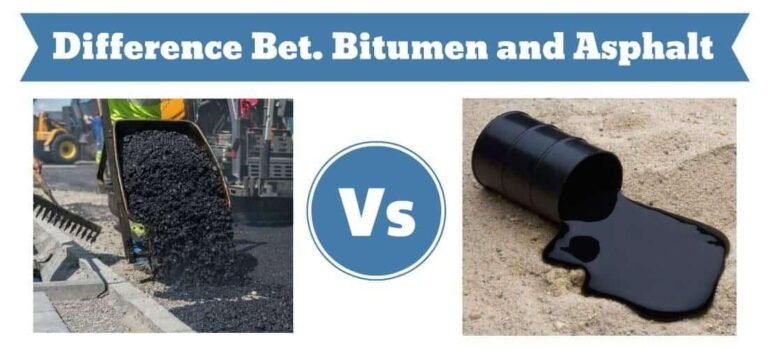
Not exactly. Bitumen (also called spray seal or chip seal) is a sprayed bitumen binder with aggregate rolled into it commonly used on large driveways, rural properties, and roads. Asphalt is a premixed product of bitumen and aggregate laid as a surface. Bitumen sealing is generally cheaper but produces a rougher, less refined finish than asphalt.