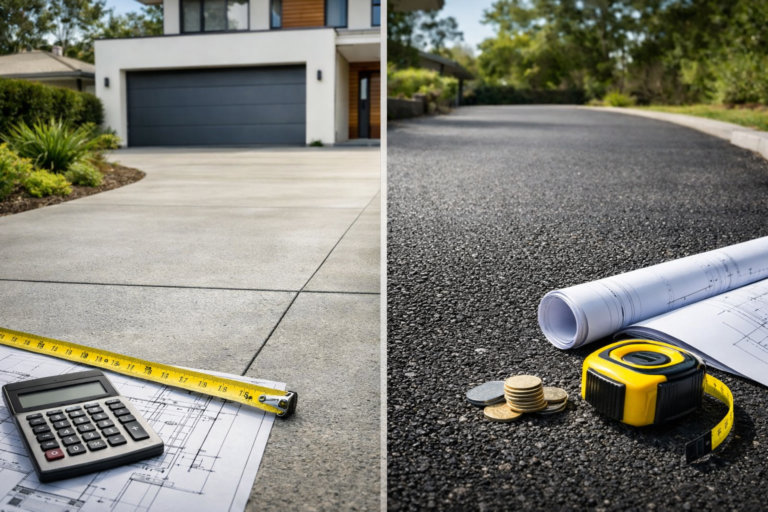
Concrete driveway vs asphalt driveway cost comparison with measuring tools and modern residential paving surfaces

How Much Does It Cost to Concrete a Driveway in Sydney? 2026 Pricing Guide

Planning a new driveway in Sydney and trying to work out what it will actually cost? You’re in the right place. Concrete is one of the most common driveway materials across Australia, and a well-laid concrete slab can hold up for 30 years. That said, driveway prices cover a wide range, and Sydney sits at…
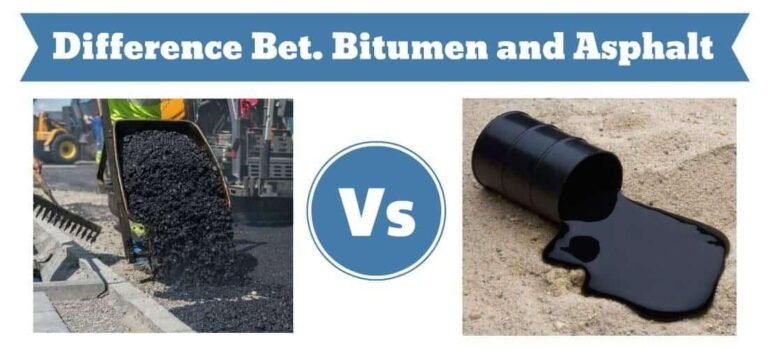

Asphalt vs bitumen comparison showing smooth asphalt surface and rough bitumen

What Is the Difference Between Asphalt and Bitumen?

If you’ve ever looked at a road surface or an asphalt driveway and wondered what it’s actually made of, you’re not alone. Many people use the terms “asphalt” and “bitumen” interchangeably, but they’re not quite the same thing. Understanding the difference matters, especially if you’re planning driveway materials or a paving project for your home…

Asphalt vs Concrete Driveway

Asphalt vs Concrete Driveway: Which Is Cheaper in Sydney? (2026 Guide)

You’ve decided it’s time for a new driveway. You know you want something professional, durable, and built for Sydney’s conditions. But when it comes to the material, the debate always comes back to the same two options: asphalt or concrete. Both are legitimate, long-lasting surfaces. Both are widely used across Sydney suburbs every single day….

Asphalt Driveway Cost 2026 Complete Guide

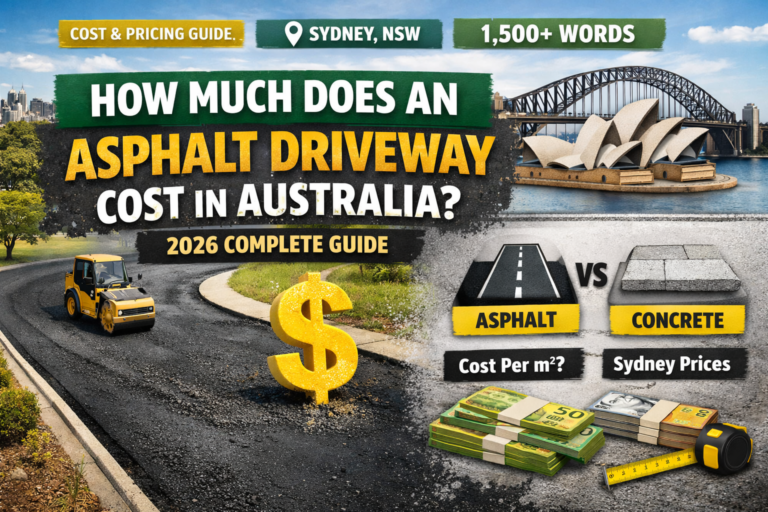
How Much Does an Asphalt Driveway Cost in Australia? (2026 Complete Guide)

If you’ve been searching for asphalt driveway prices in Australia, you’ve probably noticed one thing straight away: the numbers vary wildly. Some websites quote $25 per square metre. Others say $150. And you’re left wondering what your driveway is actually going to cost. This guide cuts through that confusion. We’re New Look Asphalts, a Sydney-based…

What Makes Asphalt Ideal for Roads?

What Makes Asphalt Ideal for Roads?

Asphalt is known for its flexibility, which allows it to expand and contract with temperature changes. This flexibility helps prevent cracking and surface damage, especially in areas with extreme weather conditions. Unlike rigid materials, asphalt absorbs stress from traffic loads, making it suitable for both light and heavy vehicles. The asphalt production process involves heating…